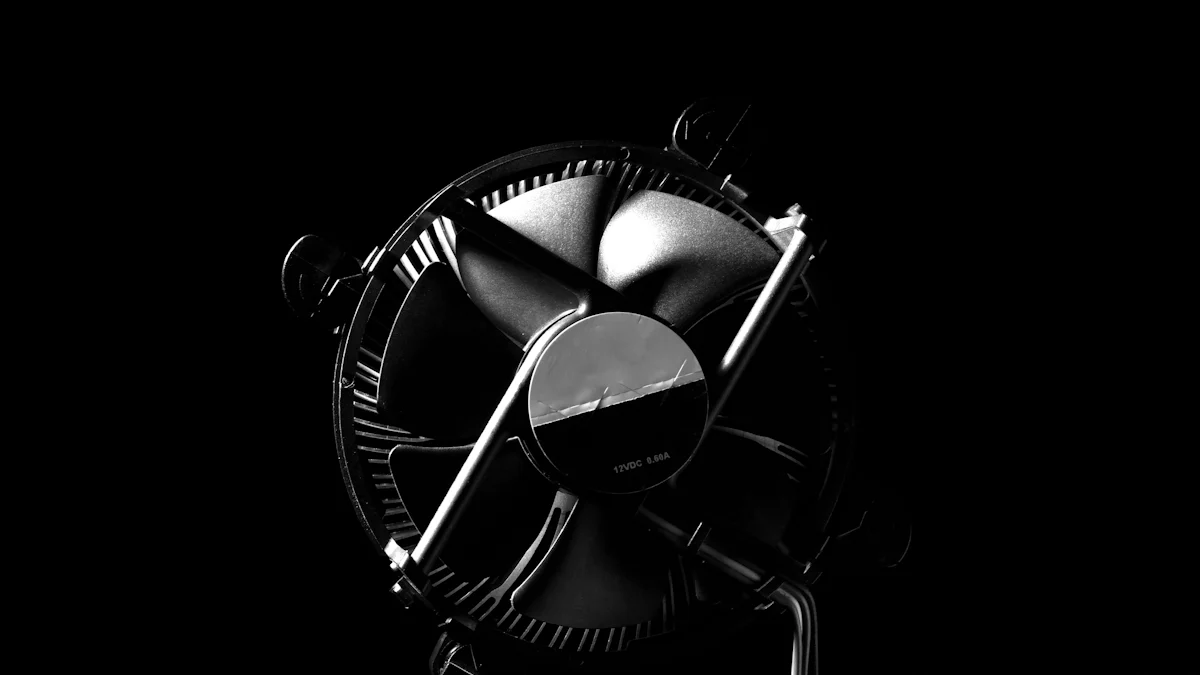
You might have heard several myths about AC DC axial fans. Some say AC fans always consume more energy, while others claim DC fans are prohibitively expensive. These misconceptions can lead to confusion when choosing the right AC DC axial fan for your needs. In reality, DC axial fans consume about 50-70% less power than their AC counterparts, making them highly energy-efficient. On the other hand, AC fans offer cost-effectiveness in certain applications. Understanding these differences helps you make informed decisions and select the best AC DC axial fan for your specific requirements.
AC axial fans operate using alternating current, which means the electrical current periodically reverses direction. These fans are ideal for applications requiring short operational periods, such as ventilation systems and environments exposed to dust and moisture. AC axial fans are known for their ability to move large volumes of air at low pressure, making them suitable for equipment cooling and space ventilation. Their design allows them to be cost-effective and reliable, especially in settings where durability is crucial.
DC axial fans, on the other hand, run on direct current, where the electrical current flows in a single, constant direction. This type of fan is commonly used in applications like air-vent exhaust, electronic device cooling, and computer ventilation. DC axial fans are celebrated for their efficiency and versatility. They are particularly advantageous in portable, battery-powered equipment and have become prevalent in cooling laptop computers, power supplies, and other electronic components. Their ability to maintain optimal operating temperatures makes them indispensable in various industries.
The primary distinction between AC and DC axial fans lies in their power sources. AC fans use alternating current, which is typically available from standard electrical outlets. This makes them convenient for many industrial and commercial applications. In contrast, DC fans require a direct current source, often provided by batteries or power adapters. This difference in power source affects the fan's efficiency and application suitability. DC fans generally consume less power, making them more energy-efficient compared to their AC counterparts.
Design and operational differences further set AC and DC axial fans apart. AC fans often feature simpler induction motors, which contribute to their cost-effectiveness and ease of maintenance. They are designed to handle high-speed air movement, which is beneficial for ventilation purposes. DC fans, however, incorporate more complex motor designs that allow for precise speed control and reduced energy consumption. This makes them ideal for applications where energy efficiency and noise reduction are priorities. The choice between AC and DC axial fans depends on the specific requirements of your application, including factors like energy efficiency, cost, and operational environment.
You might believe that AC fans are inherently less efficient than DC fans. However, this isn't always the case. Efficiency Factors Explained: AC fans can be efficient in specific scenarios, particularly when used for short durations or in environments where high-speed air movement is necessary. While DC fans consume up to 70% less energy, AC fans can still offer efficiency through their simpler design and lower initial cost. The key lies in understanding your specific needs and how each fan type can meet them.
Another common misconception is that DC fans are always more expensive than AC fans. Cost Analysis and Market Trends: Initially, DC fans do have a higher purchase price. However, they offer long-term savings due to their lower energy consumption and reduced operational costs. Over time, the investment in a DC fan can pay off, especially in applications requiring continuous operation. Market trends also show that as technology advances, the cost gap between AC and DC fans is narrowing, making DC fans a viable option for more users.
Some people think that AC and DC axial fans have limited applications. Versatility in Different Environments: Both AC and DC axial fans are versatile and can be used in various settings. AC fans excel in industrial and commercial environments where durability and cost-effectiveness are priorities. DC fans, with their energy efficiency and speed control, are ideal for electronic cooling and portable devices. Understanding the versatility of each fan type allows you to choose the right ac dc axial fan for your specific application, ensuring optimal performance and efficiency.
AC axial fans stand out for their cost-effectiveness. You will find that these fans often come with a lower initial purchase price compared to their DC counterparts. This makes them an attractive option for applications where budget constraints are a concern. The simpler design of AC fans contributes to their affordability, allowing you to achieve effective cooling without breaking the bank.
When it comes to durability and reliability, AC axial fans excel. These fans are built to withstand harsh environments, making them suitable for industrial and commercial settings. Their robust construction ensures long-lasting performance, reducing the need for frequent replacements. You can rely on AC fans to deliver consistent airflow, even in demanding conditions.
One of the main drawbacks of AC axial fans is their energy consumption. These fans tend to consume more power compared to DC fans, which can lead to higher operational costs over time. If energy efficiency is a priority for you, this is an important factor to consider. While AC fans offer cost-effectiveness upfront, their energy usage may impact your long-term expenses.
DC axial fans are renowned for their energy efficiency. They consume significantly less power than AC fans, making them an ideal choice for applications where energy conservation is crucial. By opting for DC fans, you can reduce your energy bills and contribute to a more sustainable environment. Their efficient operation also means less heat generation, which can extend the lifespan of the fan and the equipment it cools.
Another advantage of DC axial fans is their speed control capability. You can easily adjust the fan speed to match the cooling requirements of your application. This feature not only enhances energy efficiency but also allows for quieter operation. DC fans are particularly beneficial in environments where noise reduction is important, such as in electronic device cooling and computer ventilation.
When considering DC axial fans, you might notice their initial cost is higher compared to AC fans. This upfront expense can be a significant factor, especially if you're working within a tight budget. The advanced technology and components used in DC fans contribute to this cost difference.
Advanced Motor Design: DC fans incorporate complex motor designs that allow for precise speed control and energy efficiency. These features, while beneficial, increase the manufacturing cost.
Energy Efficiency Investment: Although DC fans are more energy-efficient, this efficiency comes at a price. The investment in energy-saving technology is reflected in the initial purchase price.
Long-term Savings: Despite the higher initial cost, DC fans offer long-term savings through reduced energy consumption and operational costs. Over time, these savings can offset the initial investment, making DC fans a cost-effective choice for continuous operation applications.
"DC axial fans are efficient, versatile, and commonly used in air-vent exhaust, electronic device cooling, and computer ventilation. They offer longer lifespan and cooler operation."
Market Trends: As technology advances, the cost gap between AC and DC fans is narrowing. This trend suggests that while DC fans may currently have a higher initial cost, future developments could make them more accessible.
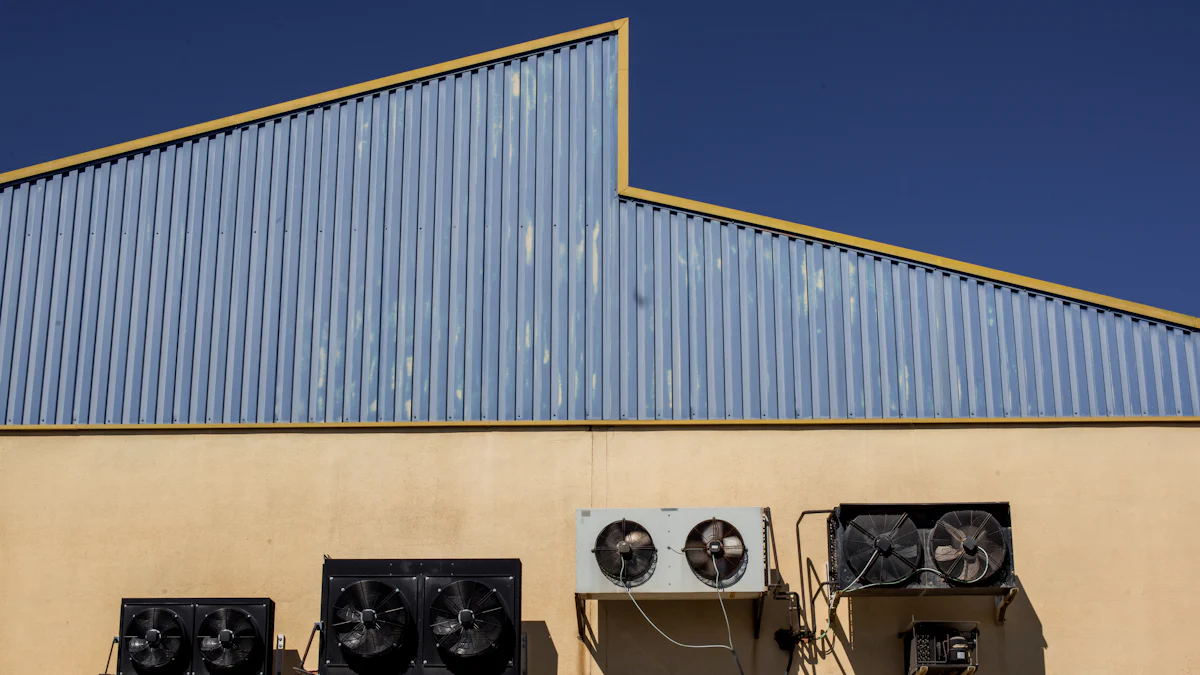
Selecting the appropriate AC DC axial fan involves understanding your specific requirements and balancing cost with efficiency. This section will guide you through the essential considerations.
To choose the right fan, first assess the application and environment where it will operate. Consider the following:
Purpose: Determine whether the fan is for cooling electronic devices, ventilating spaces, or another application. Each purpose may require different fan specifications.
Environment: Evaluate the conditions, such as temperature, humidity, and exposure to dust or moisture. AC axial fans often perform well in harsh environments due to their robust design. DC axial fans, however, excel in controlled settings where energy efficiency is crucial.
Operational Duration: Decide if the fan will run continuously or intermittently. DC fans are ideal for continuous operation due to their energy efficiency, while AC fans can be more suitable for short-term use.
Understanding these factors helps you select a fan that meets your needs and performs optimally in its intended environment.
When choosing between AC and DC axial fans, consider both initial costs and long-term savings:
Initial Investment: AC fans generally have a lower upfront cost, making them attractive for budget-conscious projects. However, DC fans, despite their higher initial price, offer significant long-term savings.
Energy Efficiency: DC axial fans consume less power, leading to reduced energy bills over time. This efficiency can offset the initial investment, especially in applications requiring continuous operation.
Operational Costs: Consider the total cost of ownership, including maintenance and energy consumption. DC fans, with their superior efficiency and longer lifespan, often result in lower operational costs.
Market Trends: As technology advances, the cost gap between AC and DC fans is narrowing. Investing in a DC fan now could prove cost-effective as prices continue to align.
By weighing these factors, you can make an informed decision that balances immediate budget constraints with future savings, ensuring you choose the best AC DC axial fan for your specific needs.
You now have the insights to debunk common myths about AC and DC axial fans. Understanding these differences empowers you to make informed decisions. Each fan type offers unique advantages and disadvantages. Your choice should align with your specific needs and application requirements. Recognizing the versatility and efficiency of both AC and DC fans ensures optimal performance in your projects. By considering the facts presented, you can confidently select the right fan, balancing cost, efficiency, and application suitability.
Debunking Common Misconceptions About Radiator Cooling Fans
Key Tips to Prevent Errors When Selecting Industrial Fans
An Easy Guide to Understanding DC Brushless Fan Models
The Advantages of DC Brushless Fans for Durability and Efficiency
